



back to News
Jorge Mohr highlights the potential of Chilean hazelnuts and the technological leap at Nefuen’s new plant in Osorno.
August 17, 2026


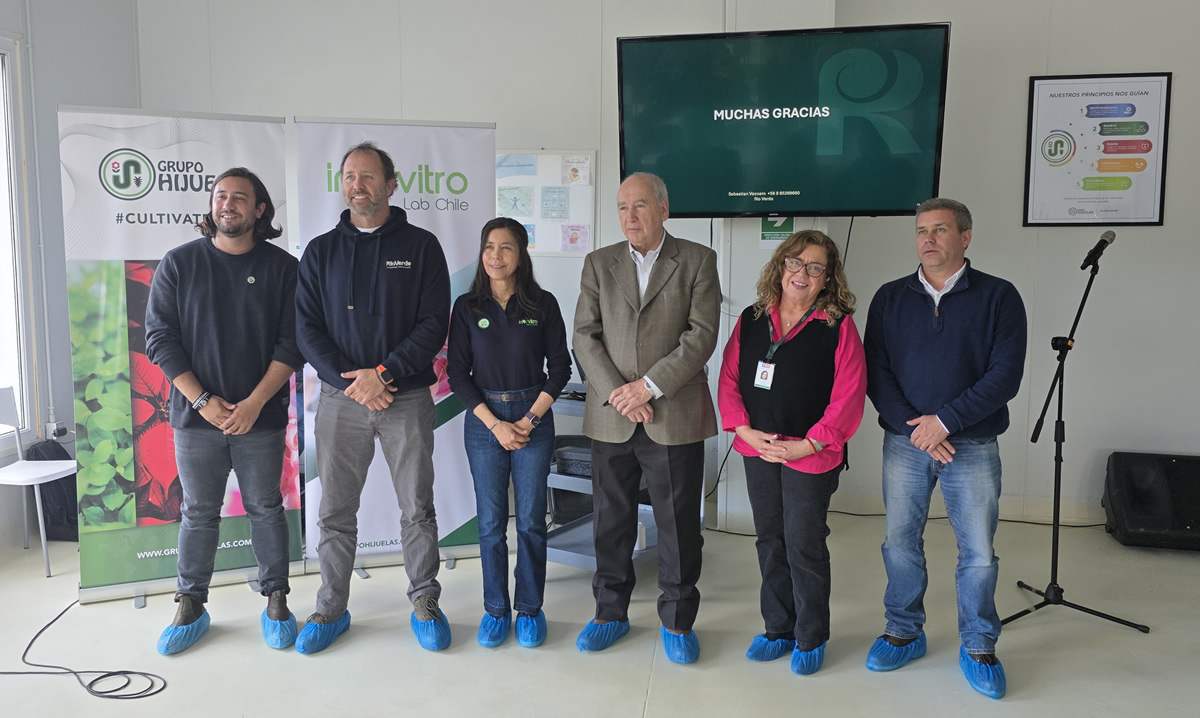
The opening in Osorno of the world’s southernmost hazelnut processing plant marks another important step in the development of Nefuen and Grupo Hijuelas within the industry.
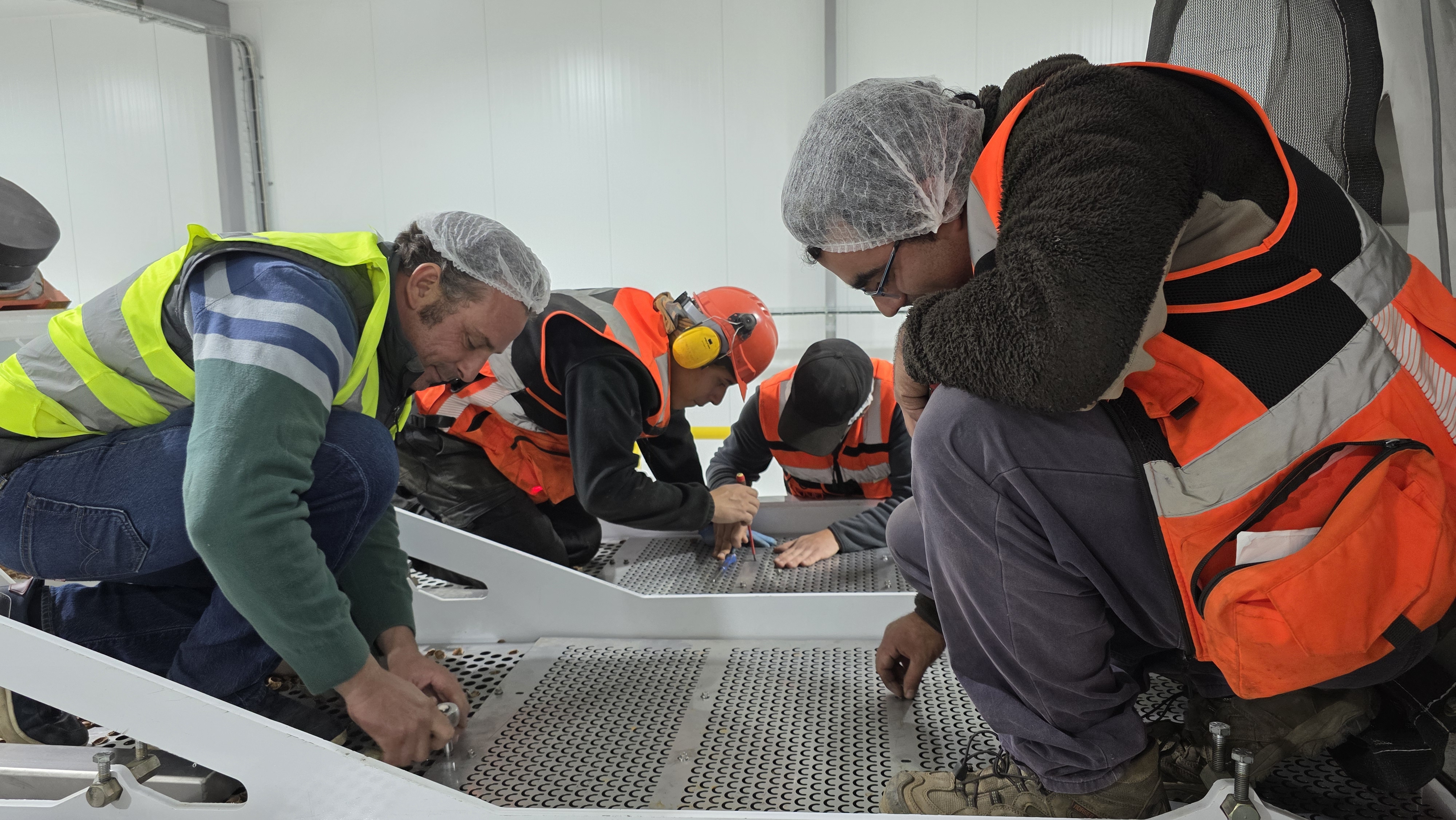
The facility incorporates state-of-the-art technology for drying, grading, sorting, and shelling hazelnuts, enabling greater efficiency and quality while meeting the requirements of international markets.
Speaking with El Agro de Radio Agricultura, Jorge Mohr, Director of Nefuen and Grupo Hijuelas, highlighted that the project is the result of more than two decades of experience in the industry and an integration process that began eight years ago with the processing and export of shelled hazelnuts.
From Two and a Half Months to a Single Shift
One of the most significant changes brought by the new facility is its processing capacity. Mohr recalled that, eight years ago, the company needed two and a half months to process eight tons of shelled hazelnuts, a volume that the new plant can now process in a single shift.
The plant operates in eight-hour shifts and has a capacity of 1,000 kilograms of packaged kernels per hour. At the beginning of this season, it was processing between four and five containers of kernels per week.
For Mohr, this leap responds to a concrete industry need: having enough processing capacity to supply major international buyers, particularly European chocolate manufacturers, which require quality, competitive costs, and reliable supply.
The investment also incorporates artificial intelligence and optical sorting technology, improving product uniformity and optimizing the processing operation. According to Mohr, the new line replaces the work of 25 people per shift.
From the Chilean Market to International Buyers
Mohr explained that the international market represents a significant opportunity for Chile, given that around 90% of the world’s hazelnuts are traded as kernels.
Although the Chilean market has historically had an important buyer of in-shell hazelnuts, accessing other major markets requires developing greater kernel processing and commercialization capabilities.
As part of this process, Nefuen began developing commercial relationships with companies in Austria and Germany interested in purchasing hazelnut kernels, moving toward an integrated model encompassing nurseries, agricultural production, processing, packaging, and direct exports.
Mohr also noted that the international context has created new opportunities for Chile, particularly following the frost recorded in Turkey in 2025, which caused a significant increase in kernel prices and prompted international buyers to seek alternative sources of supply.
“Chile Has the Best Hazelnuts in the World”
During the interview, Mohr was unequivocal about Chile’s production potential: “I believe Chile — and I am convinced of this — has the best hazelnuts in the world.”
The Nefuen director explained that Chile benefits from low levels of pests and diseases, as well as favorable climatic, phytosanitary, and production conditions.
In his view, one of the industry’s main challenges has been advancing in processing, cleaning, and drying — precisely the areas that the new plant is designed to strengthen.
The strategy also seeks to provide greater commercial stability for a long-term crop. Mohr recalled that hazelnut trees begin producing at approximately four years of age and that orchards can remain productive for decades.
In this context, he considers it strategic to develop market alternatives that can keep pace with the expansion of hazelnut plantations.
Southern Chile’s Cold Climate: An Advantage for Hazelnuts
Another topic discussed was the potential of southern Chile. Mohr explained that hazelnuts require specific chilling conditions to achieve proper flowering and synchronization between male and female trees.
“The south has the advantage of having plenty of cold and very good flowering,” he said.
However, he emphasized that developing the crop requires appropriate zoning, as not all areas offer the same conditions. Among the areas he identified as particularly favorable were western Osorno and the Biobío foothills, as well as areas in the foothills of Maule and around Chillán.
In this context, Mohr said that Nefuen currently receives hazelnuts from Maule to Osorno, and suggested that production stability could gradually shift southward as climate change reduces the number of chilling hours available in some more northern areas.
Chile Seeks to Strengthen Its Position in the Global Market
Mohr also projected significant growth in Chile’s hazelnut-planted area. He estimates that there are currently around 70,000 hectares and that the country could reach 100,000 hectares, with projected production of approximately 350,000 tons within a 12-to-14-year horizon.
To take advantage of this potential, he said the industry will need to make further progress in areas such as processing, traceability, certifications, and sustainability, while also strengthening cleaning and drying capabilities.
In his view, Chile’s accumulated experience in fruit production represents a major advantage for developing the hazelnut industry.
A Plant That Still Has Room to Grow
When asked about what lies ahead for Nefuen and Grupo Hijuelas, Mohr focused on consolidating production from the company’s orchards and progressively utilizing the new plant’s installed capacity.
“This year, the plant operated at around 35–40% of its potential.”
The objective, he explained, is to continue building volumes, deepening relationships with customers, and leveraging the reputation Chilean fruit production has earned in international markets for quality and reliability.
Finally, Mohr highlighted the combination of climate, genetics, modern orchards, and technology as part of the strengths Chile is bringing to hazelnut production.
In his view, while much of the world’s production continues to rely on more traditional systems, international buyers visiting Chilean orchards encounter modern, highly mechanized agriculture.
For Nefuen and Grupo Hijuelas, the new Osorno plant is therefore part of a long-term strategy aimed at supporting the growth of Chile’s hazelnut industry through greater processing capacity, technology, and direct access to international markets.
Share article:


.svg)
Related